John Gay was a career commodity broker who moved into Dinky Toys in 1975. Up to its closure in 1979, he had a strong trading relationship with the Dinky factory in Liverpool and is also alleged to have bought stock directly from the receivers.
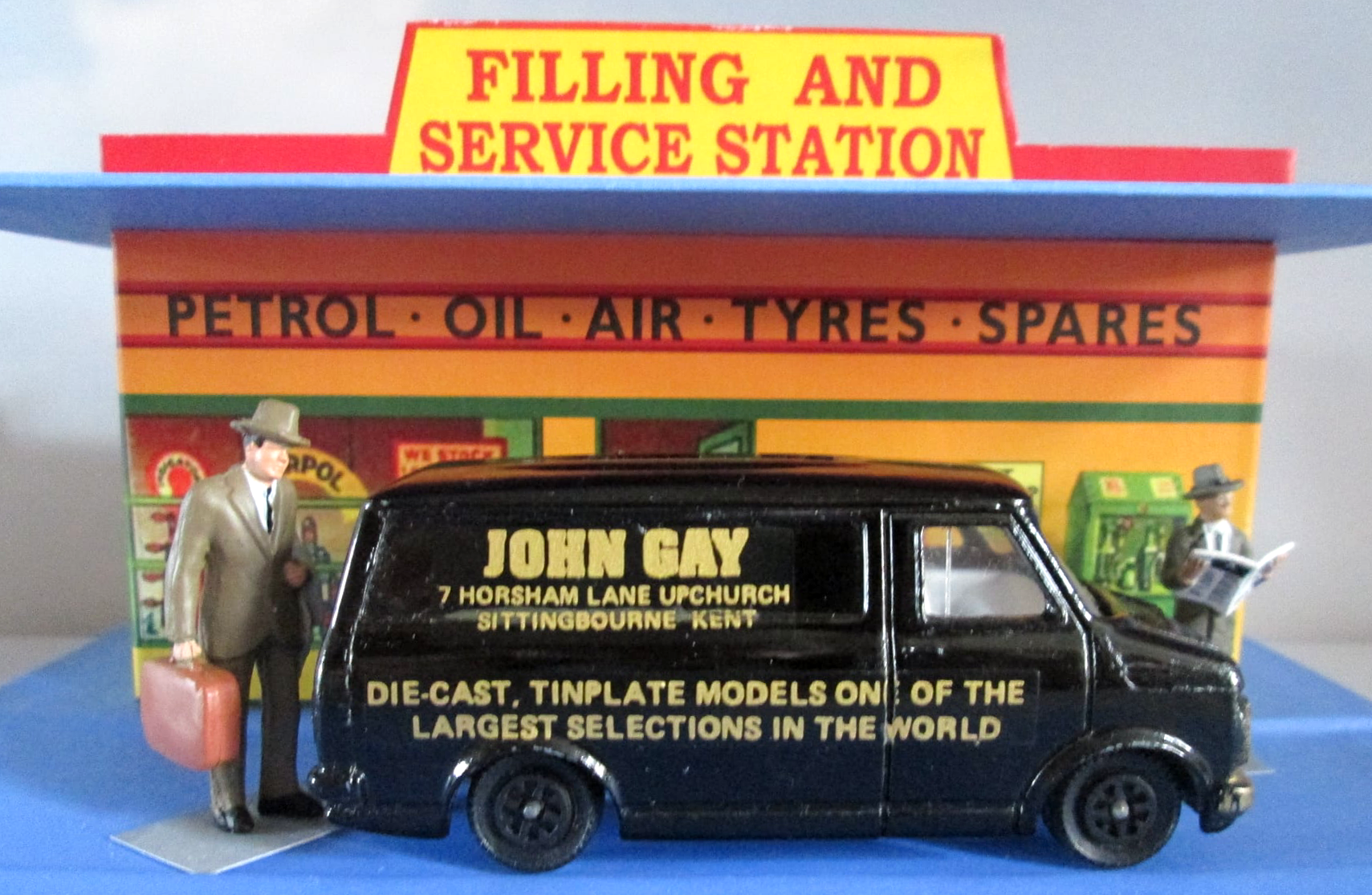
Although dismissed by many Dinky Toy collectors as being Code 2 items altered with permission after leaving the factory, in truth, all of John’s models were painted by Dinky and over half of the 400 items he issued were completely finished in the Binns Road factory. More accurately, they are Dinky Toys marketed exclusively by John Gay.
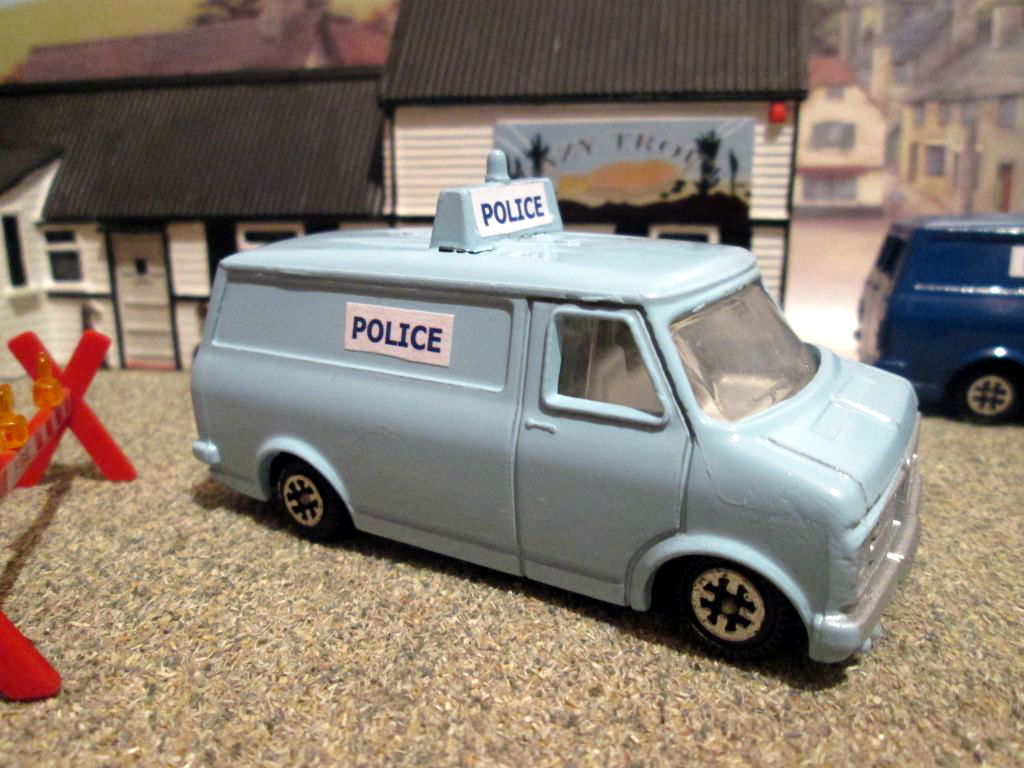
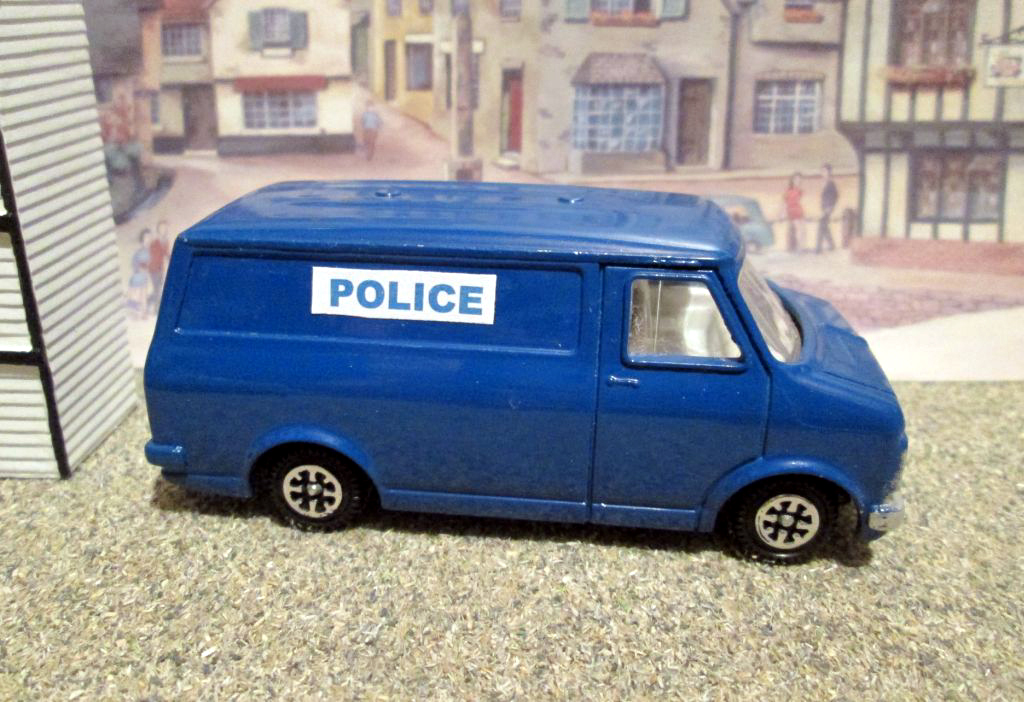
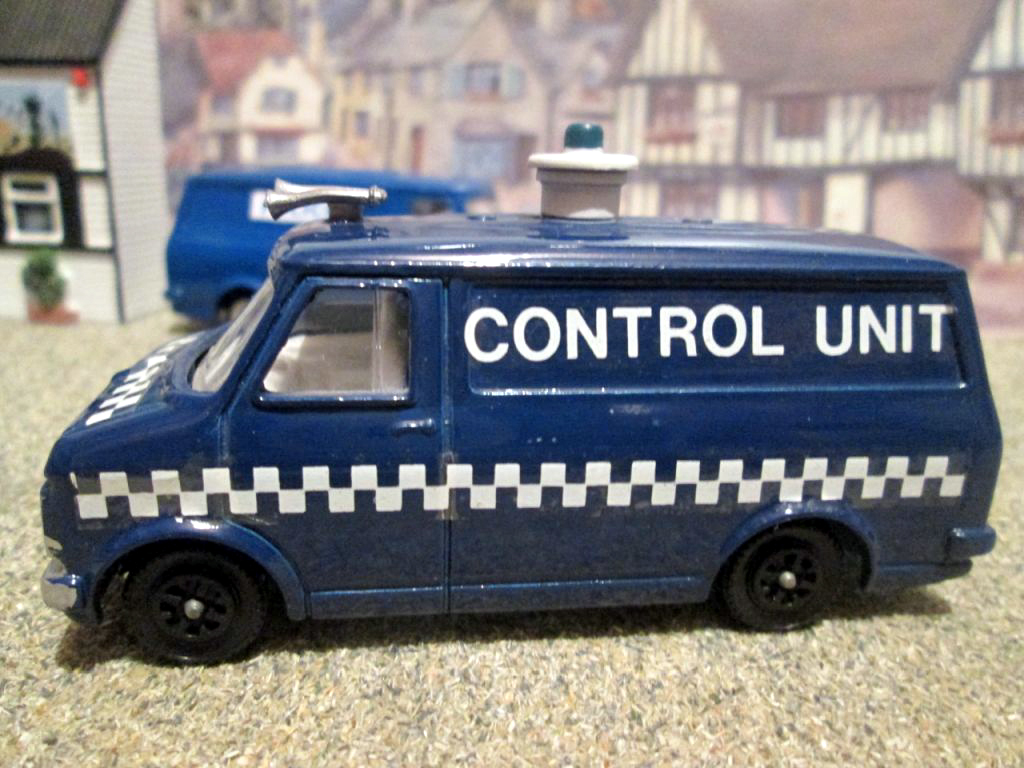
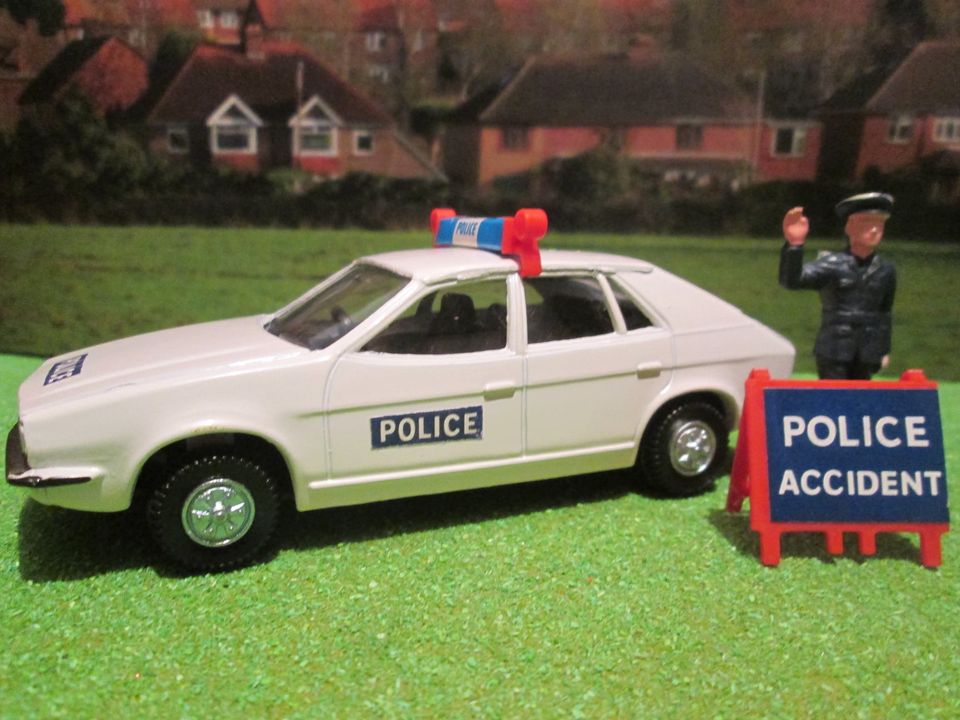
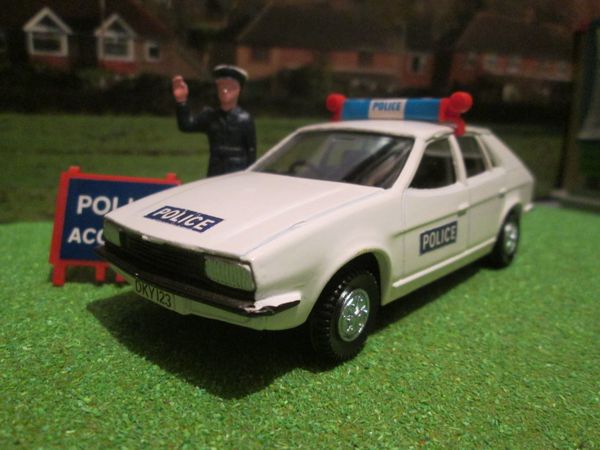
These three were all painted and made by Dinky as you can see by the rivetted roof attached on the Control Unit. John Gay applied the Police decals and packaged them in his own boxes.
John Gay Dinkys were never cheap, being aimed from the outset at adult collectors. As a commodities man who understood the value of scarcity, John priced them accordingly. A Dinky from a run of 200 might be GBP 20 whereas one from a run of only 50 would be GBP 50. John Gay Dinkys were mostly Bedford CF Vans but also included Atlantean and Routemaster buses. All the buses came in regular Dinky packaging.
He also sold a ‘tray’ of cancelled Austin Princess Police cars which came with either white or black roofs. These prototypes were manufactured in 1977 and known as number 123P. They came packed in a sealed cellophane bag inside a plain cardboard box.
In those pre-Internet days, John sold via mail order, often advertised in Collectors Gazette (for whom he did a CF van), Model Collector magazine, and Model Auto Review. You bought a paper list for GBP 4 and ordered via post, although you were well advised to phone ahead first.
Although no more Dinky Toys were made in the UK after 1979, John continued selling them well into the 2000s. By this point, it was largely the same list with sold out items scored through. He hadn’t always altered prices, and GBP 20 Dinkys suddenly didn’t look too expensive. This is when I bought most of mine. I wish I’d kept his old lists, but I did at least have a few interesting phone conversations with him over the years.
I’ve read lots of articles about the packaging styles used on John Gay Dinkys, but my experience was that there was little consistency, even sometimes on the same model. Whilst John used bespoke John Gay yellow boxes for some models (notably Bedford CF vans), sometimes they came in plain white boxes and sometimes in (incorrect) standard Dinky boxes. And if you bought several together, they would often arrive collated in old shoe boxes. I honestly don’t believe he gave much thought to the boxes beyond providing some form of packaging.
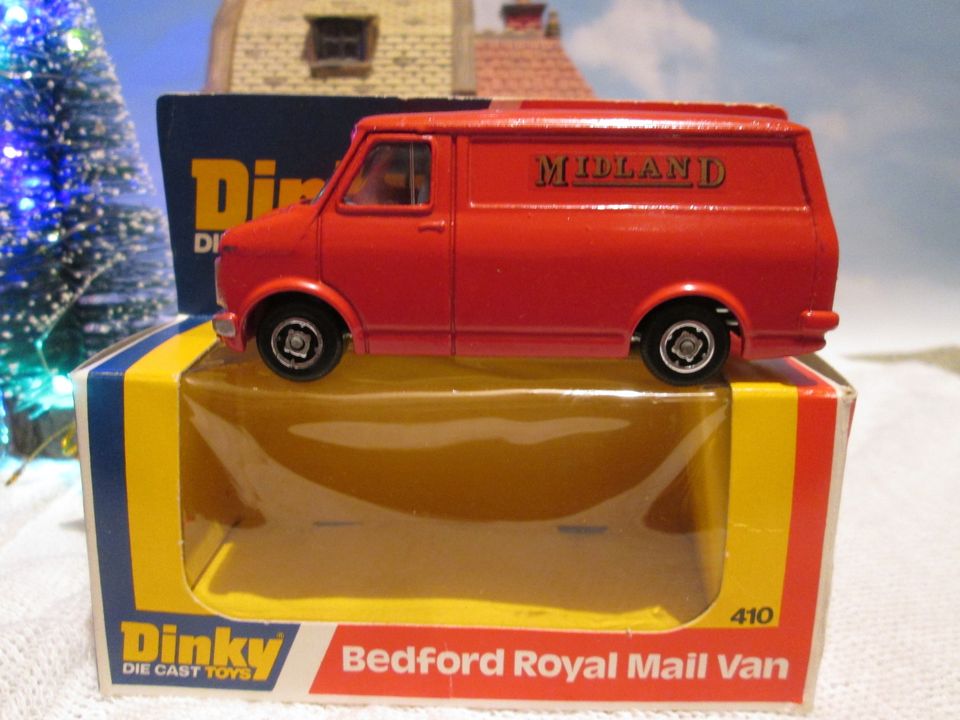
This Midland Red Bedford CF van is one of John Gay’s Code 2 models. Sometimes they came in Dinky boxes (like this one) or sometimes in his own bespoke packaging.
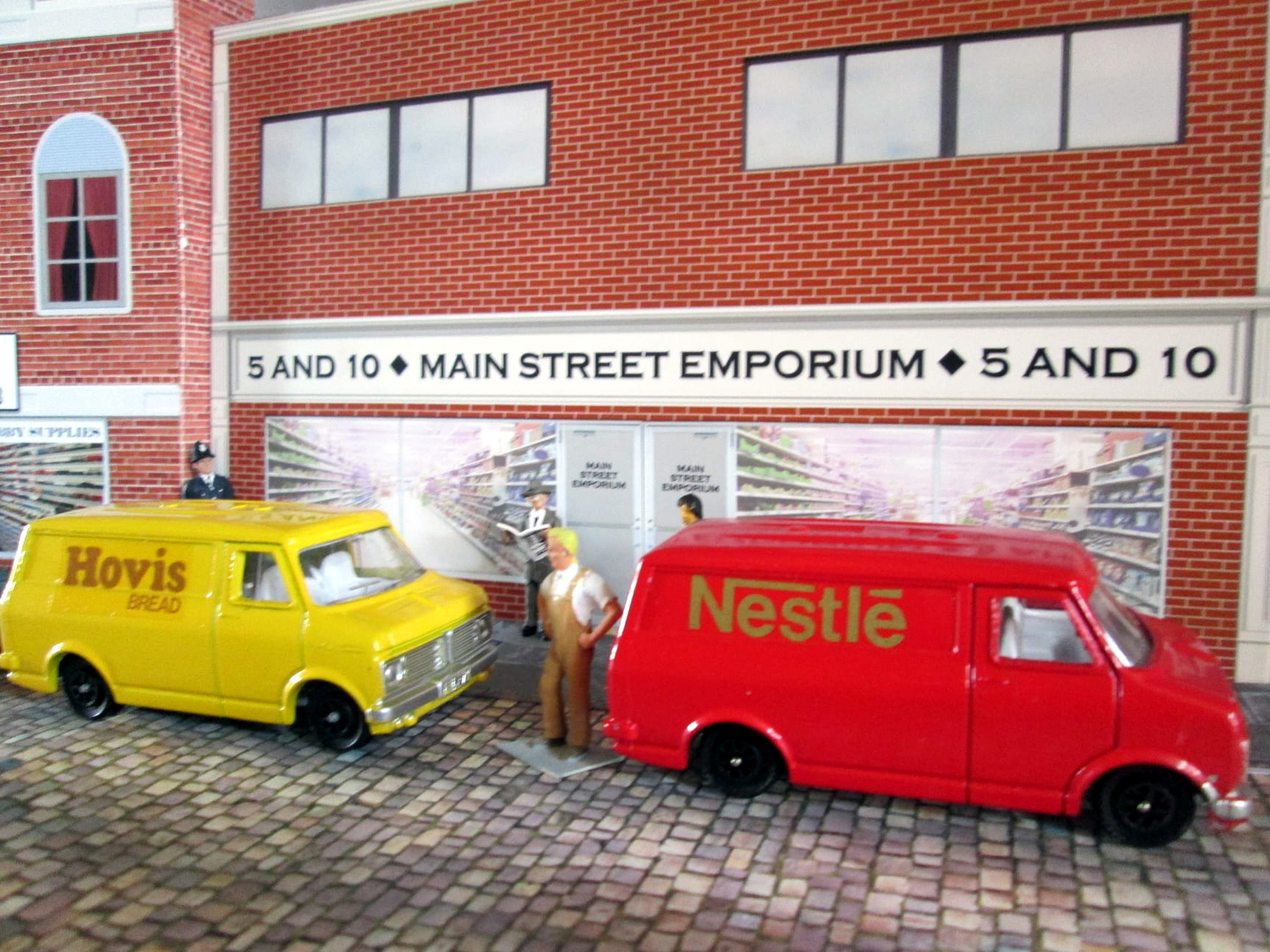
Next are two more Dinky Bedford CF vans from 1973 (according to their number plates) making deliveries. Again, these are Code 2 models.
By my math, John Gay Dinky Toys account for around a fifth of all Dinky Toys types made at Binns Road. I think the production runs varied between 50 (e.g. Queens Silver Jubilee Bedford CF van) and 200–250 for the others.
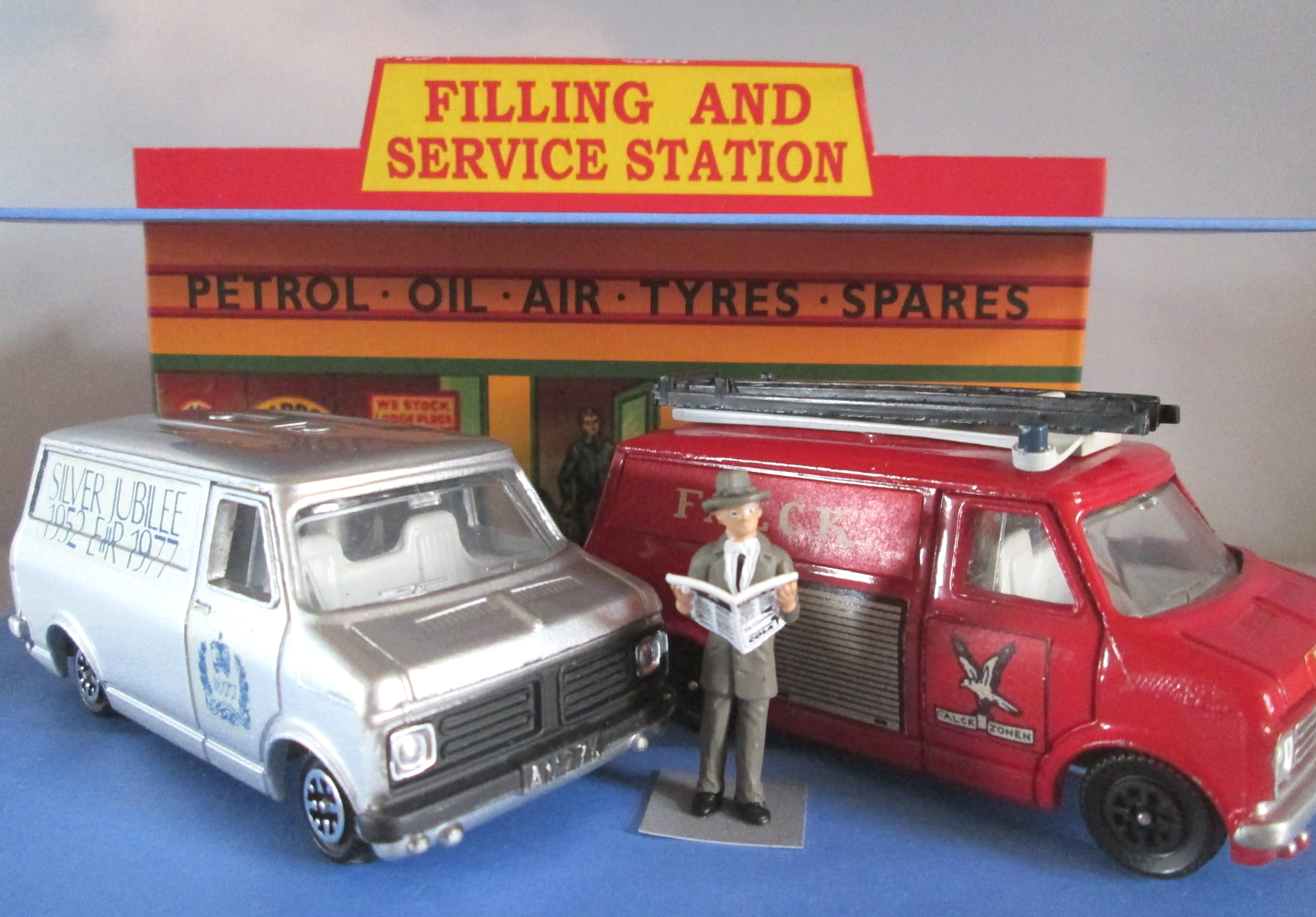
Because they were intentionally made in small runs for adults, I believe many Dinky Toys collectors struggle to work out how they fit into a range of toys that ended in 1979. All this uncertainty has made their value variable and volatile. But as something ‘different’, I find them fascinating.
For a complete list of John Gay Dinky Toys, see: